


Most of us are aware that digital surveillance has greatly increased over the past few years. Even so, many citizens would be surprised at just how many different ways their local law enforcement keeps track of them.
The Electronic Frontier Foundation and the Reno Reynolds School of Journalism at the University of Nevada worked together to create the “Atlas of Surveillance.” As they noted in their About page,
“Through a combination of crowdsourcing, data journalism, and public records reporting, we are creating the largest-ever repository of information on which law enforcement agencies are using what surveillance technologies. The aim is to generate a resource for journalists, academics, and, most importantly, members of the public to check what’s been purchased locally and how technologies are spreading across the country.”
Forward Kentucky took the Kentucky records from the database and created the following lists. Note that the data only includes what could be gathered by the Atlas team, and is almost certainly incomplete. (In other words, there is doubtless more use of surveillance than what is in this list.)
We’ve broken the list out by type of device, with some explanation.
Automated License Plate Reader (ALPR)
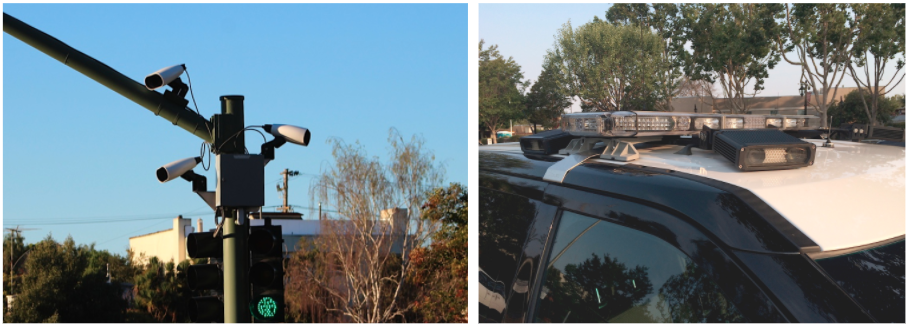
Automated license plate readers are cameras attached to fixed locations or to patrol cars that capture every license plate that passes. The data is uploaded to searchable databases with the time, date, and GPS coordinates.
Used By
Boone County Sheriff, Bullitt County Sheriff, Elizabethtown Police, Erlanger Police, Georgetown Police, Glasgow Police, Hardin County Sheriff, Hopkinsville Police, Kentucky State Police, La Grange Police, Leitchfield Police, Lexington Police, Louisville Metro Police, Madisonville Police, Nicholasville Police, Oldham County Police, Paducah Police, Radcliff Police, Shelby County Sheriff, Shepherdsville Police, Spencer County Sheriff, St. Matthews Police, Versailles Police
Body-Worn Camera (BWC)

Many law enforcement agencies require officers to attach body-worn cameras to their chests or shoulders to capture interactions with suspects and the public. Some cameras stream live and can be combined with face recognition technology.
Used By
Alexandria Police, Auburn Police, Bellevue Police, Boone County Sheriff, Bowling Green Police, Burnside Police, Cold Spring Police, Covington Police, Elizabethtown Police, Erlanger Police, Fayette County Sheriff, Florence Police, Fort Thomas Police, Fort Wright Police, Frankfort Police, Hillview Police, Jamestown Police, Kenton County Police, Kentucky State Police, Lakeside Park-Crestview Hills Police, Larue County Sheriff, Logan County Sheriff, Louisa Police, Louisville Metro Police, Marshall County Sheriff, Mason County Sheriff, Morehead Police, Mount Washington Police, Murray Police, Northern Kentucky University Police, Park Hills Police, Russellville Police, Scottsville Police, Shelbyville Police, Somerset Police, St. Matthews Police, Stanford Police, Warren County Sheriff
Camera Registry

Some law enforcement agencies ask residents and businesses to voluntarily provide information about the security cameras they have installed on their properties. This is usually called a camera registry, and it is often integrated into other software packages, such as Motorola Solutions’ CityProtect suite.
Used By
Frankfort Police, Lexington Police, Louisville Metro Police
Cell-Site Simulator (CSS)
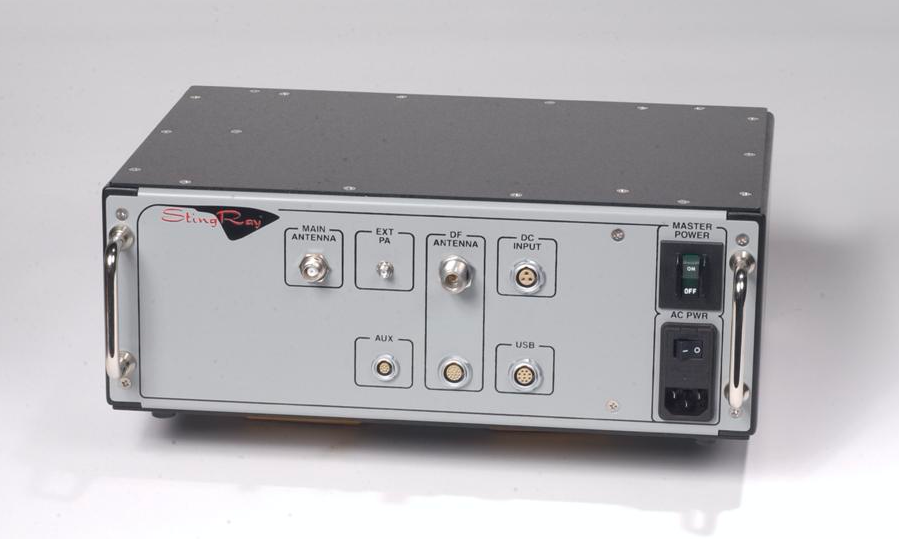
Cell-site simulators, also known as Stingrays or IMSI catchers, are devices that masquerade as legitimate cell-phone towers, tricking phones within a certain radius into connecting to the device rather than a tower.
(According to the data, no Kentucky law enforcement agencies use this method. However, it is almost certain that in this instance, the data is incomplete.)
Drone (UAV)
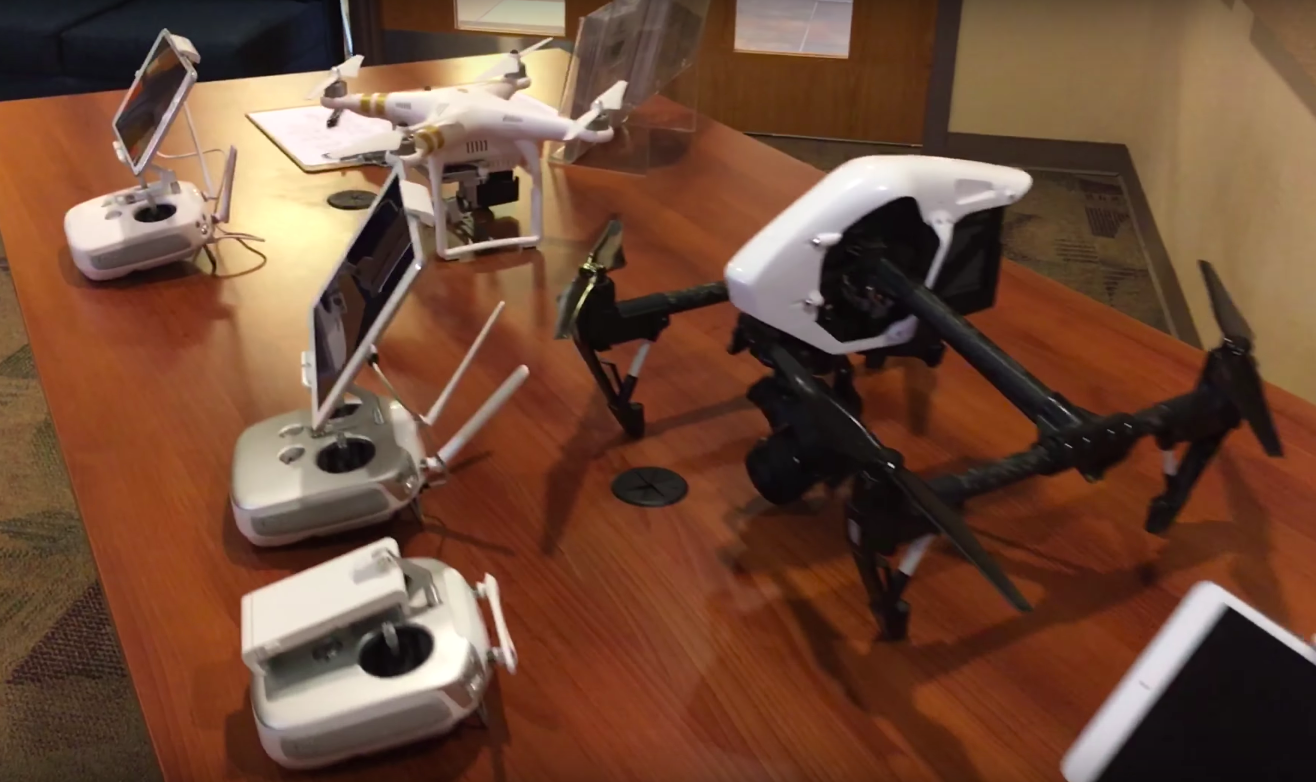
Drones are also known as unmanned aerial vehicles. Police remotely control these devices to surveil crowds from above or locations that would otherwise be difficult or dangerous to observe by a human on the ground.
Used By
Bowling Green Police, Carlisle County Sheriff, Cincinnati Northern Kentucky International Airport Police, Cynthiana Police, Edmonson County Sheriff, Franklin Police, Georgetown Police, Graves County Sheriff, Hazard Police, Jeffersontown Police, Kentucky State Police, Lexington Police, Louisville Metropolitan Police, Munfordville Police, Owensboro Police, Somerset Police
Face Recognition (FR)

Face recognition is a method of identifying or verifying the identity of an individual using their face. Face recognition systems can be used to identify people in photos, video, or in real-time. Law enforcement may also use mobile face recognition devices to identify people during police stops.
Used By
Ashland Police, Florence Police, Fort Mitchell Police, Kentucky Transportation Cabinet, Lexington Police, Louisville Metro Police, Ludlow Police, Lyndon Police, Marshal County Sheriff, Middletown Police, Murray Police, Nicholasville Police, Northern Kentucky Drug Strike Force, St. Matthews Police, Shepherdsville Police, University of Kentucky Police
Gunshot Detection
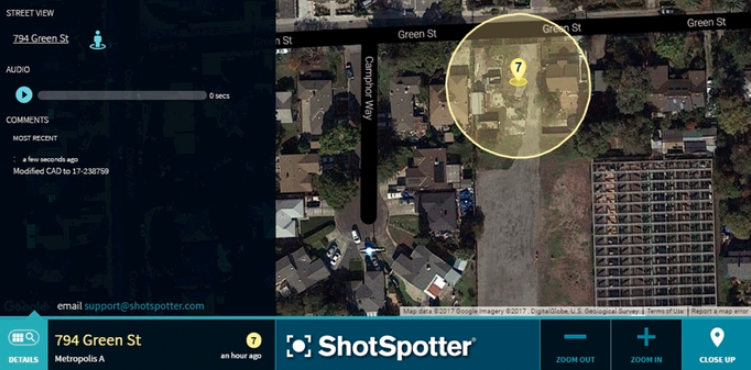
Gunshot detection is a technology law enforcement uses to receive alerts on where gunfire may occur in neighborhoods. This technology relies on a series of acoustic sensors mounted on street lights or on the sides of buildings. When a loud noise triggers the sensors, software triangulates the estimated location of the gunfire.
Used By
Louisville Metro Police
Predictive Policing
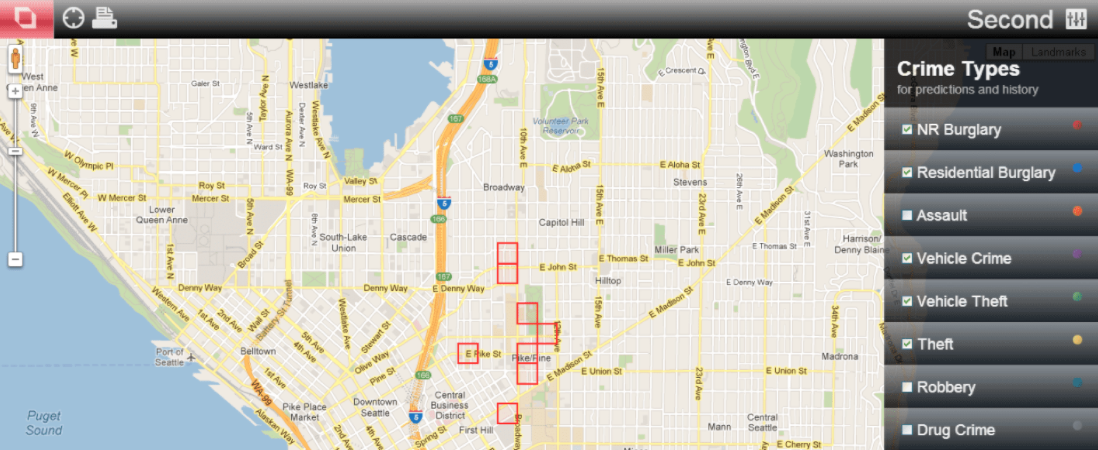
Predictive policing is software used by law enforcement to select neighborhoods or blocks where they should focus resources or to identify individuals for investigation. Law enforcement feed records and data—such as police stops or calls for service—into the algorithms, which vendors say can predict where crime is likely to occur.
Used By
Louisville Metro Police
Real-Time Crime Center (RTCC)
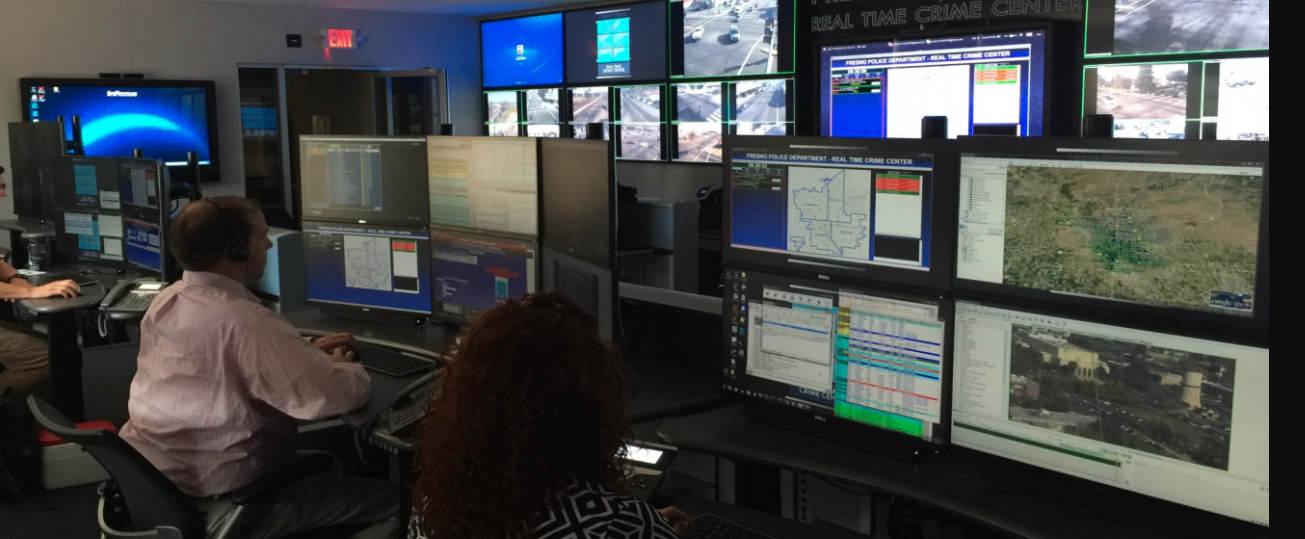
Real-Time Crime Centers are hubs where police ingest and analyze surveillance, intelligence, and data from a number of sources in real-time. RTCCs are often equipped with walls of monitors with live feeds from camera networks. Analysts are often able to access a wide variety of surveillance technologies, including automated license plate readers, gunshot detection, predictive policing, and face recognition. Unlike fusion centers, RTCCs tend to be focused on local level activities and a broader range of criminal investigations.
Used By
Lexington Police, Louisville Metro Police
Other Technologies and Techniques
- Fusion Centers – Fusion centers are intelligence hubs and command centers that enable intelligence sharing between local, state, tribal, territorial, and federal agencies, with a focus on homeland security matters. These are part of a national fusion center system supported by the U.S. Department of Homeland Security.
- Ring/Neighbors Partnership – Ring Inc., a subsidiary of Amazon, markets “doorbell cameras” and other home surveillance devices to residents. Ring also operates a social media platform, Neighbors, which encourages residents to share video footage and incident reports with other residents and the police. Ring has signed agreements with more than 1,300 law enforcement agencies to promote its products.
- Video Analytics / Computer Vision – Video analytics and computer vision are terms that surveillance companies use to describe advanced software applied to video feeds to identify the movements of people and objects and detect patterns and anomalies. It is often coupled with artificial intelligence/machine learning and face recognition technology.
--30--
Comments