

FRANKFORT — A bill designed to improve school financial transparency in Kentucky’s public schools advanced 11-1 Thursday during a Senate Education Committee meeting.
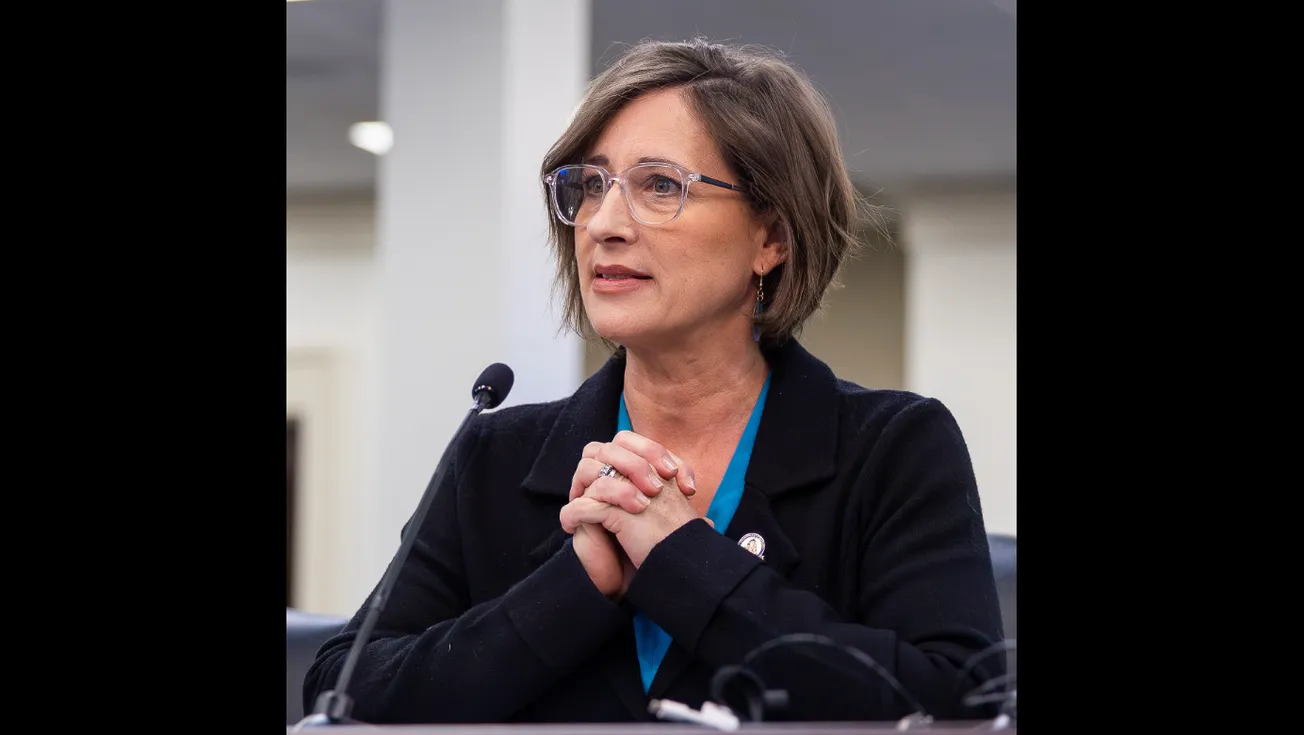
Sponsored by Sen. Lindsey Tichenor (R-Smithfield), Senate Bill 3 seeks to strengthen transparency requirements for districts and expand the general public’s access to the budgeting process, financial reports and spending information.
“The goal of SB 3 is to ensure our education dollars are focused on student learning and student achievement. Education money is ultimately for the educating of our students, and when monies are irresponsibly used elsewhere, once made transparent, a correction needs to be made,” she said.
Tichenor said that added transparency in smaller districts may reveal how school boards and superintendents navigate operations on a shoestring budget and where potential gaps may exist in funding.
In larger districts, she said the opposite effect may occur, shedding light on wasteful spending and encouraging district leaders to improve financial management.
SB 3 would create requirements for the budgeting processes at schools, providing full access for school board members and the public. It calls for superintendents to present final working budgets at public meetings and to highlight specific details in each budget.
Details would include state and federal appropriations; projected expenditures for personnel, transportation, maintenance and materials; any one-time major expenses; projected revenues and expenditures associated with restricted funds and facility funds; costs associated with incurred debts; and how the 2% required minimum reserve will be maintained, Tichenor said.
SB 3 would also mandate that school districts post monthly and annual reports on the district webpage, along with monthly credit card statements, the superintendent’s contract, any additional compensation, the district’s financial audits, and the final working budget, she said.
Tichenor said significant budget shortfalls in some districts have spurred open records requests on various financial documents such as credit card statements, procurement receipts and purchase order reimbursements. The documents revealed expansive misuse of taxpayers’ dollars, she said.
“By reviewing information gathered from nine various districts that span the state, a noticeable pattern emerged of heavy administrative expenditures for restaurants, excessive travel, various types of team building, entertainment that stretched from Broadway shows, to contracting bartending services, just to name a few,” she said.
Laura O’Brien of Oldham County testified in favor of the bill. She said she collected credit card receipts from various school districts and questioned expenditures for things such as food and hotel stays.
Senate Minority Caucus Chair Reginald L. Thomas (D-Lexington) said he supports the bill and the public’s ability to comment if public money is being used and a budget is being developed. He asked Tichenor if the bill includes a date when budgets have to be finalized.
Tichenor said current statute already requires a draft budget by Jan. 31, a tentative budget by May 31 and a working budget by Sept. 30. She said this information is included in the proposed legislation.
Sen. Jimmy Higdon (R-Lebanon) said transparency is great, and details matter.
“There’s a lot on superintendents’ contracts. What’s reported in the news as the salary is not the full story, and there’s a lot of other things in a contract. All that needs to be public knowledge,” he said.
Sen. Stephen Meredith (R-Leitchfield) voted against the measure, saying it didn’t go far enough.
“Quite truthfully, I think we need to be more prescriptive than this. You would think that school administration, when it starts to take on the personality of a corporate C-suite, that somebody has to intervene,” he said. “I think we need to be more direct in what we as a commonwealth will pay for and won’t pay for.”
The bill now heads to the full Senate for consideration.
--30--
Published by LRC Public Affairs.
Comments